Educating High School Athletes on Safe Wrap Application: A Guide for Athletic Trainers
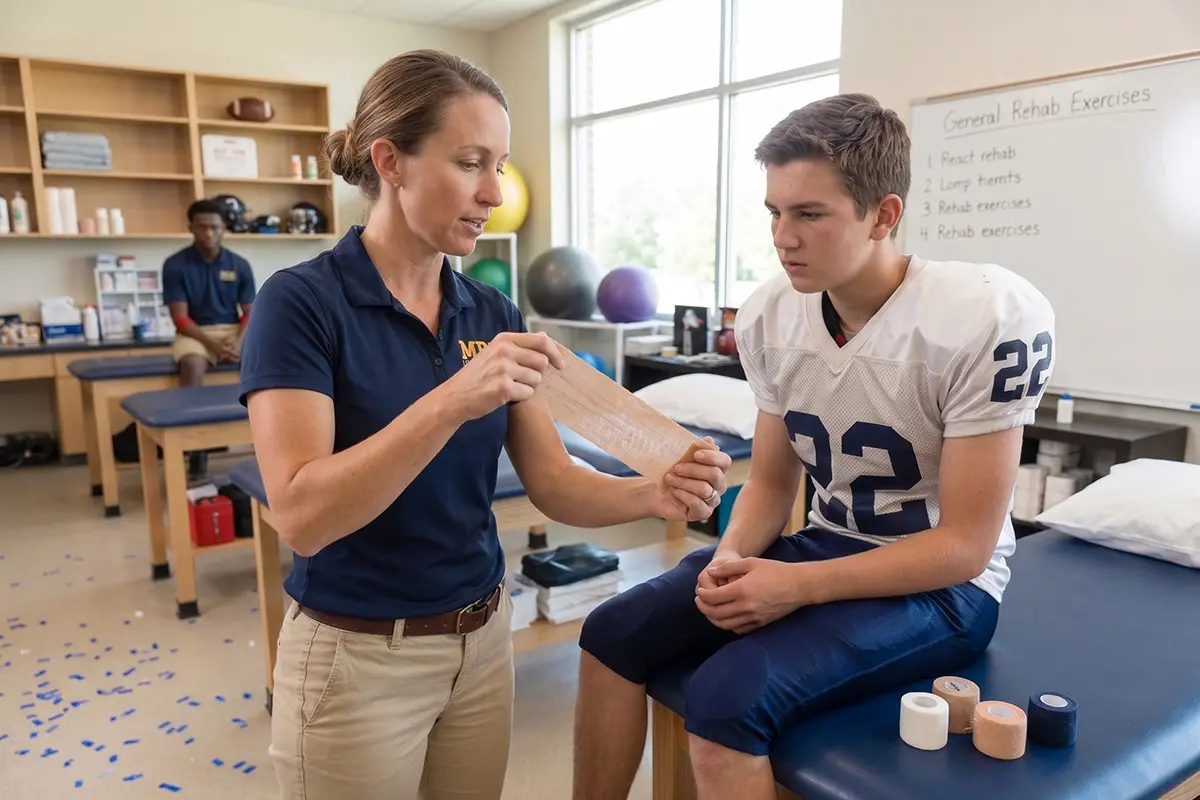
High school athletics represent a critical intersection of performance, injury prevention, and athlete development. While proper taping and wrapping techniques are fundamental to injury management, one of the most overlooked aspects of athletic training is ensuring that students themselves understand and can execute these techniques correctly. When athletes take ownership of their recovery through proper wrap application and nighttime removal protocols, injuries decrease, habits improve, and athletic performance thrives.
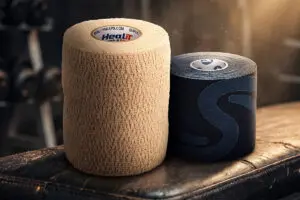
This guide provides athletic trainers with practical, narrative-driven strategies for teaching high school athletes the essential skills they need to safely apply wraps—from compression wraps and kinesiology tape to rigid strapping, turf tape, and underwrap products like Healit ProFoam.
Why Athlete Education Matters: Beyond the Athletic Training Room
The traditional model of injury prevention places athletic trainers at the absolute center—athletes arrive for their pre-game taping sessions and leave protected. However, this approach has limitations. Athletes train outside official hours, attend away games where certified athletic trainers may not be present, and often must manage their own injury maintenance during the season.
When athletes lack knowledge about proper wrap application, they are more likely to:
Apply wraps incorrectly on their own.
Leave wraps on overnight, which can restrict circulation and cause skin breakdown.
Abandon preventive wrapping entirely due to perceived complexity.
Research consistently shows that athlete engagement with injury prevention strategies increases dramatically when students understand the why behind the how. An athlete who comprehends why proper tension matters, how overlap percentages affect tape efficacy, and what happens to tissue when wraps remain on overnight becomes an active participant in their own health and recovery.
Teaching Tension Control: The Foundation of Safe Application
Proper tension is the most critical—and most frequently misapplied—aspect of wrap application. Too much tension restricts blood flow and can cause nerve compression or skin damage. Too little tension provides inadequate support. Teaching athletes to recognize “correct” tension is an essential competency.
Progressive Learning Approach
Start with kinesthetic education. Have athletes practice applying wraps to themselves on a non-critical body part—a wrist or ankle—while you observe. Ask them to describe what “too tight” feels like: numbness, tingling, coldness, or color changes in the extremity. Contrast this with “too loose,” which they’ll identify as unstable or unsupportive.
Introduce the “one-finger test” for most wrap applications. After applying a wrap with compression wraps or athletic tape, an athletic trainer should be able to slide one finger comfortably under the wrap. This tactile feedback tool is easy for students to remember and apply independently.
Assessment over Mechanics: While some athletic training products feature visual tension guides, standard compression wraps used in high school settings rely on the athlete’s kinesthetic feedback and quick circulation checks (e.g., checking capillary refill in fingernails or toes).
Emphasize that tension varies by body part. An ankle wrap requires different tension than a knee wrap or shoulder compression wrap. Have athletes practice on multiple locations to develop the nuanced feel required for different applications.
Common Tension Mistakes
Spend dedicated time identifying and correcting common errors:
The “Tourniquet Effect”: Athletes often apply wraps in circular patterns with increasing tightness toward the center. Teach them that tightness should remain consistent throughout the application.
Inconsistent Tension: When applying wraps in anchors and strips, tension may loosen as fatigue sets in. Have athletes wrap in front of a mirror to monitor consistency.
Confusing Compression with Support: Many athletes believe that tighter automatically means better. Educate them that compression and support serve different recovery purposes and require distinct tension levels.
Overlap Percentage: The Technical Element
Overlap percentage—how much each subsequent wrap layer covers the previous one—directly affects both the durability and efficacy of the application.
Understanding the Science
Proper overlap creates a cohesive, unified support structure. With insufficient overlap (less than 50%), the wrap can separate into segments that don’t communicate structurally. With excessive overlap (more than 75%), you create unnecessary bulk and can restrict range of motion. The sweet spot for most applications using athletic tape like Easy Rip Sports Tape by Healit or rigid strapping is 50–66% overlap.
Teaching Overlap Visually
Rather than explain overlap as an abstract percentage, show it. Use visual demonstrations:
The marking method: Have athletes lightly mark their skin with a marker at 50%, 60%, and 75% intervals before applying tape. This creates visual reference points.
Video analysis: Show slow-motion videos of correct vs. incorrect overlap application. Athletes are visual learners—seeing the difference is more impactful than hearing it explained.
Tactile practice: Use pre-wrap or underwrap (like Healit ProFoam) as a low-cost practice medium. Athletes can apply it repeatedly without waste, developing muscle memory for proper overlap before moving to more expensive athletic tape.
Product-Specific Considerations
Different wrap products benefit from slightly adjusted overlap percentages:
Kinesiology tape: Generally requires 50% overlap due to its elasticity. Greater overlap can compromise the tape’s ability to move with the skin.
Rigid strapping and zinc oxide tape: Can handle 60–70% overlap because the inflexibility requires more layering for support.
Compression wraps with Velcro closures: Require attention to overlap to prevent Velcro-to-skin contact, which can be uncomfortable.
Turf tape: Used primarily for blister prevention and hot spot protection, turf tape should overlap slightly less (40–50%) to avoid creating pressure points.
Managing Multiple Wrap Types in Your Teaching
A comprehensive athletic training program uses multiple wrap products for different purposes. Your teaching strategy should address this complexity without overwhelming athletes.
Create a simple reference chart for your athletes that outlines:
Wrap / Tape Type
Ideal Tension
Recommended Overlap
Primary Use
Compression Wraps
One-finger test
50–60%
Joint compression, swelling reduction
Kinesiology Tape
Light to moderate stretch
50%
Proprioceptive support, muscle facilitation
Rigid Athletic Tape
Moderate to firm
60–70%
Structural ankle support, joint stabilization
Zinc Oxide Tape
Moderate
65%
Secure anchoring, high-movement areas
Easy Rip Sports Tape
Moderate
50–65%
General athletic taping, quick field wraps
Pre-Wrap / Underwrap
Light
50%
Skin protection, adhesive base
Teach why each product exists. Athletes need to understand that using rigid tape where kinesiology tape belongs—or vice versa—compromises both performance and injury prevention.
Nighttime Removal Protocols: The Overlooked Safety Component
Many athletic trainers focus exclusively on daytime wrap application while assuming athletes understand nighttime removal protocols. This assumption is dangerous. Athletes commonly leave wraps on overnight, leading to:
Reduced microcirculation during extended periods of rest.
Skin maceration and breakdown from trapped sweat and friction.
Peripheral nerve compression from static pressure over bony prominences.
Establishing a Safe Removal Protocol
When to Remove: All standard compression wraps and rigid taping should be removed before going to sleep unless specifically directed by a certified athletic trainer or physician for acute injury care.
How to Remove Safely: Use slow, gentle peeling motions back along the direction of hair growth. Apply warm water or adhesive remover to the edge if the wrap adheres strongly. Never rip wraps off quickly.
Post-Removal Skin Care: Inspect the skin for redness, blistering, or pressure marks. Clean the area gently and allow it to breathe overnight.
Wrap Hygiene & Storage: Reusable elastic wraps should be hand-washed, air-dried, and rolled neatly for the next use.
Reinforcing Nighttime Removal
Visual Reminders: Place signs in the athletic training room: “Before Bed: Remove Your Wraps.”
Peer & Parent Communication: Share educational tips with parents outlining the nighttime removal policy so they can help reinforce safe habits at home.
Practical Teaching Strategies for Athletic Trainers
Interactive Demos: Conduct 5-minute practical sessions during team workouts rather than static lectures. Have athlete volunteers demonstrate proper tension and overlap in front of their peers.
Guided Self-Application: Have athletes apply their own wraps under direct supervision until they can reliably pass the “one-finger test” and demonstrate accurate overlap.
Failure Analysis: When a wrap rolls, slips, or causes discomfort during practice, turn it into a teaching moment. Discuss what went wrong (e.g., insufficient overlap or inconsistent tension) and how to fix it.
Teaching high school athletes proper wrap application and nighttime removal protocols requires more than showing them videos or providing written instructions. It demands interactive, ongoing education that builds competence, understanding, and ultimately, compliance.
By mastering tension control, understanding overlap percentages, learning which products suit which situations, and committing to safe nighttime removal protocols, your athletes become partners in injury prevention. This shift—from passive recipients of athletic training services to active participants in their own health management—is transformative.
When athletes understand why they’re applying wraps with specific tension, how overlap percentage affects efficacy, and what happens if they leave wraps on overnight, they make better decisions independently. They apply wraps correctly at away competitions where you’re not present. They maintain protocols during summer training. Most importantly, they develop the self-care knowledge that will benefit them throughout their athletic careers and into adulthood.
The investment in comprehensive athlete education pays dividends in reduced injury rates, improved compliance, better outcomes, and a culture where injury prevention is everyone’s responsibility. Your role as an athletic trainer includes not just taping athletes, but educating them to tape themselves—safely, effectively, and responsibly.