The Athlete’s Guide to Underwrap: Why ProFoam® Foam Underwrap Is the Foundation of a Great Tape Job
Watch any professional athletic trainer work and you’ll notice they never skip a step: before a single strip of athletic tape goes on, there’s a thin layer of spongy foam wrap underneath. That material — foam underwrap, or ‘pre-wrap’ — isn’t just a habit. It’s an essential layer of engineering that determines whether your tape job protects you or punishes you.
At Healit, our ProFoam® foam underwrap is used by trainers, physical therapists, and athletes at every level. This guide explains not just what underwrap does, but why getting it right is the difference between a tape job that lasts the whole game and one that’s bunched and failing by halftime.
Key Takeaways
Foam underwrap (pre-wrap) is the critical layer between skin and athletic tape. Skipping it causes tape rash, blistering, and painful removal.
The correct technique prevents tourniquet effects, eliminates exposed skin windows, and anchors the foam with a single strip of tape at top and bottom.
More foam means less stability. A thick “sock” of underwrap causes tape to shift under movement, undermining the entire tape job.
From football ankles to weightlifting wrists to runner’s arches, ProFoam® adapts to every taping need with the same reliable performance.
What Is Foam Underwrap, Exactly?
ProFoam® is a lightweight, open-cell polyurethane foam. It isn’t adhesive — it stays in place through friction and the tension of the athletic tape applied over it. The foam is breathable, compressible, and engineered to a precise thickness that allows the outer tape to lay flat and grip without sliding.
It’s sometimes called pre-wrap, underwrap, or sports wrap — all the same product, used as the interface between your skin and the aggressive adhesives found in rigid sports tape.
The 4 Core Jobs Underwrap Performs
Function
What It Prevents
Why It Matters
Skin Protection
Tape rash, adhesive burns, hair removal
Enables daily taping without skin damage
Blister Prevention
Friction between tape and skin during movement
Keeps athletes comfortable during long events
Safe Removal
Scissors nicking the skin on removal
Allows clean removal in one intact piece
Conforming Fit
Gaps and pressure points over bony prominences
Tape job works with anatomy, not against it
Skin Protection: The Invisible Benefit
Zinc oxide adhesive — the gold standard in sports tape — is phenomenally strong. That’s great when you’re cutting hard at the net; it’s painful when you peel the tape off after the match. Without underwrap, daily taping strips away layers of skin and can cause ‘tape rash,’ a contact dermatitis that makes future applications increasingly painful.
ProFoam® creates a sacrificial barrier. The tape sticks firmly to the foam, not to your skin. Removal is quick, clean, and painless.
Blister Prevention: Friction Management
Rigid athletic tape doesn’t move. Your skin does. Every step you take, every lateral cut, every landing creates micro-movement between the tape and the underlying tissue. Over a full game, that friction becomes heat, and heat becomes blisters. The foam layer absorbs and distributes that shear force, protecting the delicate skin over the heel, malleolus (ankle bone), and metatarsal heads.
ProFoam® vs. Generic Underwrap: Why Quality Is Non-Negotiable
Not all foam underwrap is created equal, and the difference is felt — literally — within minutes of application. Cheap underwrap tends to have variable thickness (causing pressure points), tears unevenly (creating weak spots), and lacks the surface tackiness that lets it interface properly with athletic tape.
ProFoam® is manufactured in the USA to consistent tolerances. Each roll delivers:
Uniform 1/16-inch thickness throughout the entire roll
Consistent, controlled tackiness that grips tape without being adhesive
Appropriate compressibility — firm enough to support, soft enough to pad
A clean, even tear edge that doesn’t fray or bunch
Step-by-Step: How to Apply Underwrap Like a Professional
Clean, dry skin (optionally, a light application of spray adherent for humid conditions)
The Application Sequence
Start on clean, dry skin. Any moisture will prevent the tape and underwrap from adhering properly to each other.
Position the limb in the functional position (ankle at 90 degrees for ankle taping).
Begin distal to proximal — start at the foot and move toward the knee. This mirrors the direction of your circulatory return and prevents a ‘tourniquet effect.’
Maintain constant, even tension. Keep the roll close to the limb and unroll rather than pull.
Overlap each pass by 50%. This eliminates exposed skin ‘windows’ that would contact the outer tape’s adhesive.
Anchor top and bottom with one strip of EasyRip tape directly on the skin to prevent migration.
Critical Rule: One to Two Layers Maximum. More foam = less stability. If you build a thick ‘sock’ of underwrap,the tape on top will shift with movement, destroying the structural integrityof the entire tape job. Think thin and precise.
Foam Underwrap in Sports: Application by Activity
Football & Contact Sports
Ankle taping is the most common application, but linemen often have wrists and thumbs wrapped too. Because games involve repeated impact, a full base of ProFoam® under a structured athletic tape job is essential for multi-hour protection.
Running & Court Sports
Foam underwrap athletic applications for runners often focus on the Achilles tendon and the metatarsal arch. The foam provides a slight cushioning effect that reduces cumulative impact stress over long distances.
Weightlifting & CrossFit
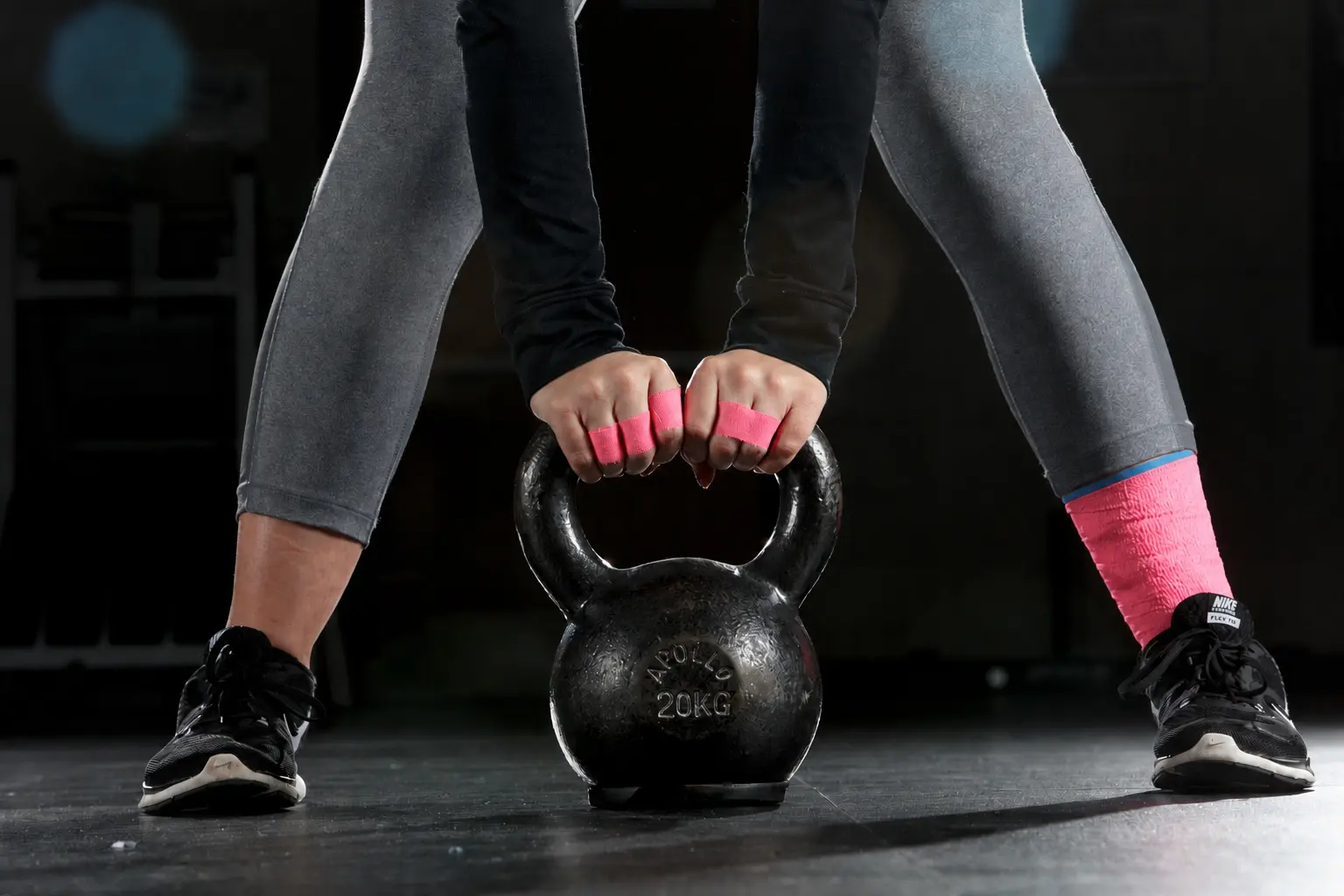
Wrists and thumbs are the priority here. A single spiral pass of ProFoam® under rigid tape provides the proprioceptive feedback and stability athletes need for heavy pressing and pulling movements without restricting full flexion and extension.
The Takeaway: Skip the Foundation, Compromise the Structure
ProFoam® underwrap isn’t an optional add-on. It’s the primer coat before you paint, the foundation before you build. For any athlete who tapes regularly — whether for sport, rehabilitation, or injury prevention — incorporating Healit ProFoam® into your protocol is the single highest-value upgrade you can make to your tape kit. When quality matters, start with the right foundation.
Frequently Asked Questions
What is foam underwrap used for in sports taping?
Foam underwrap (also called pre-wrap or sports wrap) is applied between skin and athletic tape to protect against tape rash, adhesive burns, and blistering. It creates a soft, breathable interface that allows the tape to adhere firmly without contacting the skin directly, making removal painless and enabling daily taping without skin damage.
Do you need underwrap under athletic tape?
For athletes who tape regularly, yes. Without underwrap, the aggressive zinc oxide adhesive in rigid sports tape strips away skin layers over time, causing contact dermatitis and increasing sensitivity with each application. Underwrap is the single most effective way to protect skin integrity during frequent taping.
How many layers of underwrap should you apply?
One to two layers maximum. More foam than this reduces the stability of the tape job — the outer tape will shift with movement rather than holding firm. Think thin and precise: the goal is a protective interface, not a cushioned “sock.”
What is the difference between foam underwrap and athletic tape?
Foam underwrap is non-adhesive and applied first as a skin-protective base layer. Athletic tape (such as zinc oxide rigid tape) goes on top and provides the structural support. Underwrap has no holding power on its own — it works with the outer tape to deliver both protection and performance.
Can underwrap be used for wrist and thumb taping?
Absolutely. A single spiral pass of ProFoam® underwrap under rigid tape is a standard technique for weightlifters, CrossFit athletes, and football linemen who need wrist and thumb stability. The thin foam layer provides proprioceptive feedback and cushioning without restricting full range of motion.
Why does quality matter when choosing foam underwrap?
Generic underwrap often has variable thickness (creating pressure points), tears unevenly (leaving weak spots in coverage), and lacks the surface tackiness needed to interface properly with athletic tape. ProFoam® is manufactured in the USA to consistent 1/16-inch tolerances, ensuring every roll delivers the same reliable performance from start to finish.
ProFoam® underwrap isn’t an optional add-on. It’s the primer coat before you paint, the foundation before you build. For any athlete who tapes regularly — whether for sport, rehabilitation, or injury prevention — incorporating Healit ProFoam® into your protocol is the single highest-value upgrade you can make to your tape kit. When quality matters, start with the right foundation.