Compression Wraps vs. Compression Socks: Which Is Right for You?
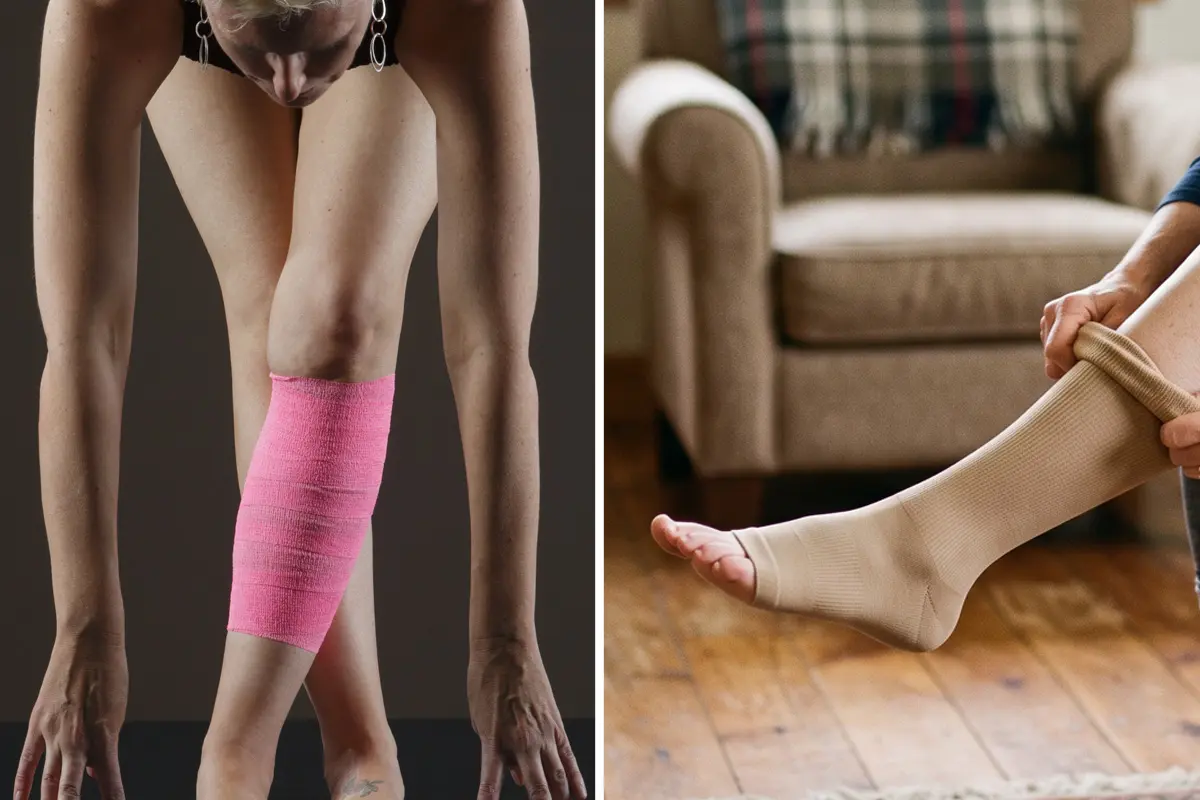
Compression wraps and compression socks can both be useful tools for people who want more support during workouts, recovery, travel, or everyday movement. But they work differently—and the better option often comes down to where you need support, how much flexibility you want, and how easy the product is to put on.
For targeted, adjustable support around an ankle, calf, knee, wrist, or other area, a self-adhering compression wrap may be the more practical choice. For consistent, ready-to-wear coverage across the foot and lower leg, compression socks may make more sense.
The main difference
Compression socks are pre-sized garments that slide over the foot and leg. They are commonly worn to provide relatively uniform, lower-leg coverage. Depending on the product, socks may offer graduated compression, meaning pressure is strongest near the ankle and gradually decreases higher up the leg.
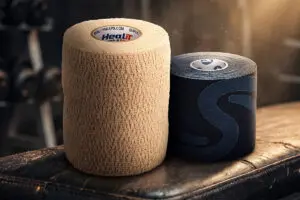
Compression wraps are flexible strips of material that you apply where you need them. Because you control the overlap and tension, wraps offer a customizable fit and targeted support. HealiT wraps adhere to themselves rather than hair or skin, making them easy to secure and remove.
Compression wraps vs. compression socks at a glance
Feature
Compression Wraps
Compression Socks
Fit
Adjustable each time you apply it
Pre-sized, fixed garment fit
Coverage
Target a specific area
Usually cover the foot, ankle, and calf
Application
Wrap and secure to your preferred level
Pull on over the foot and leg
Best for
Workout support, active recovery, and targeted areas
Consistent lower-leg coverage
Flexibility
Can be used on different body areas
Designed specifically for the legs
Style
Available in discreet or expressive wrap designs
Available in various lengths and colors
When a compression wrap may be right for you
A compression wrap can be a smart option when you want to customize support around a specific area. For example, someone with a sore ankle after a long run may prefer wrapping the ankle and lower calf instead of wearing a full sock. A lifter may use a wrap for targeted support during training. And a traveler may like the portability of a lightweight wrap that fits easily in a carry-on or gym bag.
HealiT’s cotton wraps are breathable, tear by hand, and are designed to stay in place through activity. SuperusGrip is made with double-thread cotton for firm, controlled support, while ColorBurst offers a self-adhering cotton option for people who want dependable performance with more color choices.
When compression socks may be right for you
Compression socks can be convenient when you want straightforward, consistent lower-leg coverage without applying a wrap. They may be useful for people who prefer a familiar sock-like garment or want coverage from the foot through the calf.
Medical-grade compression socks and stockings are measured in mmHg and may be recommended for specific circulation-related conditions. The appropriate pressure, sizing, and wear schedule depend on the individual and should be discussed with a healthcare professional.
How to choose
Ask these questions before deciding:
Do you want support in one targeted area or across the entire lower leg?
Do you need to adjust the fit throughout the day or activity?
Will you use the product for workouts, active recovery, travel, or daily wear?
Do you prefer a pull-on garment or a wrap you can apply exactly where needed?
Has a clinician recommended a particular compression level or garment type?
For flexible, on-the-go support, a self-adhering HealiT wrap offers a customizable alternative to a fixed garment. Explore SuperusGrip for higher compression needs during active use, or choose ColorBurst for breathable, self-adhering support with personality.
Important note
If you have sudden or severe leg swelling, open wounds, a skin infection, peripheral artery disease, severely reduced sensation, or a diagnosed circulation condition, ask a healthcare professional before using compression. Proper fit and appropriate pressure matter.