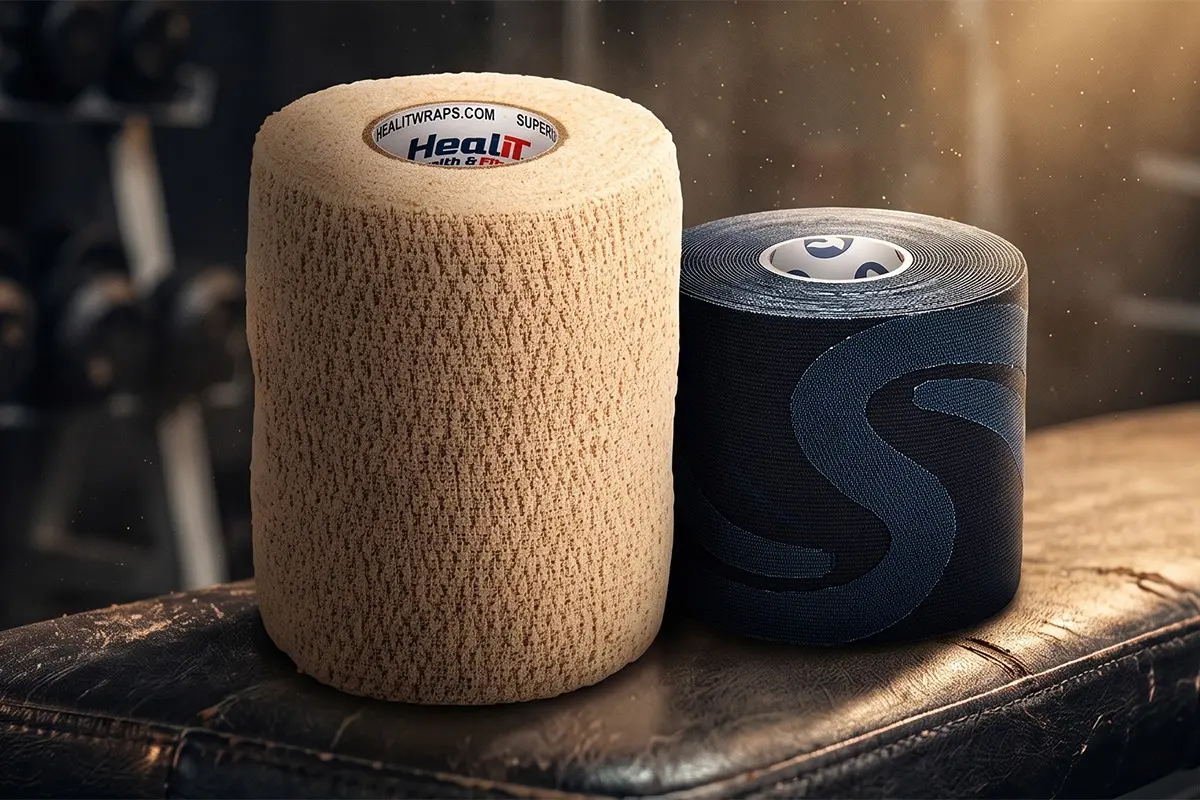
Compression Wraps vs. Kinesiology Tape: Understanding the Differences and Benefits
Whether you’re recovering from an injury, managing chronic pain, or trying to improve athletic performance, you’ve likely encountered the terms compression wraps and kinesiology tape. Both are popular tools in sports medicine and physical therapy, but they serve different purposes, and understanding how they differ can help you choose the best option for your needs.
What Are Compression Wraps?
Compression wraps are elastic bandages or garments designed to provide firm, even pressure to a specific area of the body. They’re commonly used on joints like the knees, ankles, or wrists, and are a staple in both injury management and rehabilitation. Unlike sports tape, which restricts movement, compression wraps offer flexible, adjustable support.
How They Work:
Compression wraps work primarily by reducing swelling and stabilizing the affected area. When an injury occurs—such as a sprain or strain—fluid can accumulate in the tissue, causing inflammation and discomfort. By applying controlled pressure, a compression wrap limits fluid buildup and supports circulation, which can accelerate recovery.
Common Uses:
Acute injuries: Sprains, strains, and minor soft tissue injuries.
Chronic conditions: Joint instability or arthritis.
Post-surgery: To manage swelling and support healing tissues.
During activity: Some athletes use light compression wraps to prevent injury during high-impact activities.
Benefits:
Reduces swelling: By promoting proper fluid drainage and circulation.
Provides support: Helps stabilize joints without significantly restricting movement.
Pain relief: By reducing pressure on inflamed tissues.
Easy to adjust: Can be applied tightly or loosely depending on comfort and need.
Reusable and cost-effective: HealiT’s self-adhesive compression wraps are built for durability, providing long-term value compared to single-use alternatives.
What Is Kinesiology Tape?
Kinesiology tape (often called K-tape) is a thin, elastic tape that adheres to the skin. Unlike traditional athletic tape, which is rigid and primarily restricts movement, kinesiology tape is designed to support muscles and joints while allowing full range of motion. It has become popular among athletes, physical therapists, and everyday users looking to manage pain or improve performance.
How It Works:
Kinesiology tape works by lifting the skin slightly away from underlying tissues, which can improve blood and lymphatic flow. This subtle lifting can reduce pressure on pain receptors, improve circulation, and facilitate muscle function. K-tape is also used to provide proprioceptive feedback, helping the body recognize correct posture or movement patterns.
Common Uses:
Muscle support: Reduces fatigue and improves performance during activity.
Injury prevention: Helps stabilize joints and muscles without limiting movement.
Pain management: Can relieve discomfort from conditions like tendonitis, plantar fasciitis, or lower back pain.
Post-injury rehab: Assists in lymphatic drainage and reduces inflammation.
Benefits:
Non-restrictive support: Unlike rigid tape or compression wraps, kinesiology tape allows full movement.
Pain relief: May reduce pressure on sensitive areas and decrease discomfort.
Enhanced circulation: Improves lymphatic drainage and blood flow, which can speed recovery.
Versatility: Can be applied in multiple ways depending on the injury or goal.
Key Differences Between Compression Wraps and Kinesiology Tape
While compression wraps and kinesiology tape are sometimes used in similar contexts, the two are distinct tools with different mechanisms and purposes.
Feature
Compression Wraps
Kinesiology Tape
Primary function
Reduces swelling and stabilizes
Supports muscles and joints while allowing movement
Movement restriction
Moderate to high, depending on tightness
Minimal—designed for full range of motion
Application
Wrapped around the joint or area
Stuck directly to the skin in specific patterns
Duration of use
Short-term, usually during activity or acute injury
Generally inexpensive and widely available; reusable
Slightly more expensive; requires technique knowledge
Compression Wraps vs. Sports Tape: What’s the Difference?
If you’ve spent time in a sports medicine office or athletic training room, you may have seen athletes with rigid white or colored tape wrapped around their joints. This is traditional athletic tape—often called ‘sports tape’—and it’s distinctly different from a compression wrap.
Traditional sports tape is made of a stiff, non-elastic material (typically cotton-based with an adhesive backing). Its primary function is to restrict movement and provide maximum structural support, making it ideal for preventing certain types of injury or supporting joints that need to be kept in specific positions.
Compression wraps, by contrast, use elastic materials that flex with your movement. This makes them better suited for situations where you need support but also need to maintain full or near-full range of motion. A compression wrap won’t feel as restrictive, and you can adjust the tightness throughout the day.
Key difference: Sports tape excels at preventing certain movements; compression wraps excel at supporting movement while reducing swelling.
When to Use Compression Wraps
Compression wraps are particularly useful in situations where swelling or instability is a primary concern. For instance:
Sprains and strains: Immediately after an ankle or wrist sprain, wrapping the joint helps control swelling and provides stability.
Post-surgical recovery: Compression garments or wraps help minimize fluid accumulation and support healing tissues.
Chronic joint issues: People with mild arthritis or tendonitis may benefit from wrap support during activities to reduce discomfort.
Short-term athletic support: Some athletes wear wraps during games or training sessions to reinforce weak joints.
Runners and walkers: Knee compression wraps (link to HLT-026) provide excellent support during repetitive-impact activities.
Compression wraps are a practical, hands-on solution that you can adjust for comfort and support. They are especially valuable when immobilization or moderate restriction is beneficial.
When to Use Kinesiology Tape
Kinesiology tape is ideal when movement needs to be maintained and muscle function or pain reduction is the priority. Typical scenarios include:
Active recovery: Athletes recovering from muscle soreness or minor injuries can use K-tape to support muscles while continuing training.
Chronic pain management: Conditions like plantar fasciitis, patellar tendonitis, or lower back discomfort can benefit from the gentle support and pain-relieving properties of kinesiology tape.
Posture correction: K-tape can serve as a tactile cue to help maintain proper posture during daily activity or exercise.
Swelling and lymphatic drainage: While not as compressive as a wrap, K-tape can promote fluid movement and reduce mild edema.
The key advantage of kinesiology tape is that it works with the body’s natural movement, providing support and relief without restricting activity.
Combining Compression Wraps and Kinesiology Tape
In some cases, healthcare providers may recommend using both compression wraps and kinesiology tape for complementary benefits. For example, a patient recovering from an ankle sprain might use a compression wrap in the initial days to control swelling, then transition to kinesiology tape to maintain support while regaining mobility.
This combination allows for a phased approach to injury management—first focusing on stabilization and swelling reduction, then on functional support and muscle engagement.
Conclusion: Choosing the Right Support Tool
Both compression wraps and kinesiology tape offer unique benefits, and the choice between them depends on your goals and the nature of your condition.
Choose compression wraps for swelling control, joint stabilization, and short-term support during acute injuries or post-surgery recovery.
Opt for kinesiology tape when you want muscle support, pain relief, or functional stability without restricting movement.
Understanding the differences and applications of these tools can improve your recovery outcomes and enhance performance, whether you’re an athlete pushing through training, a weekend warrior, or managing a chronic condition. By knowing when and how to use each, you can take a more informed approach to injury management and physical wellness.