
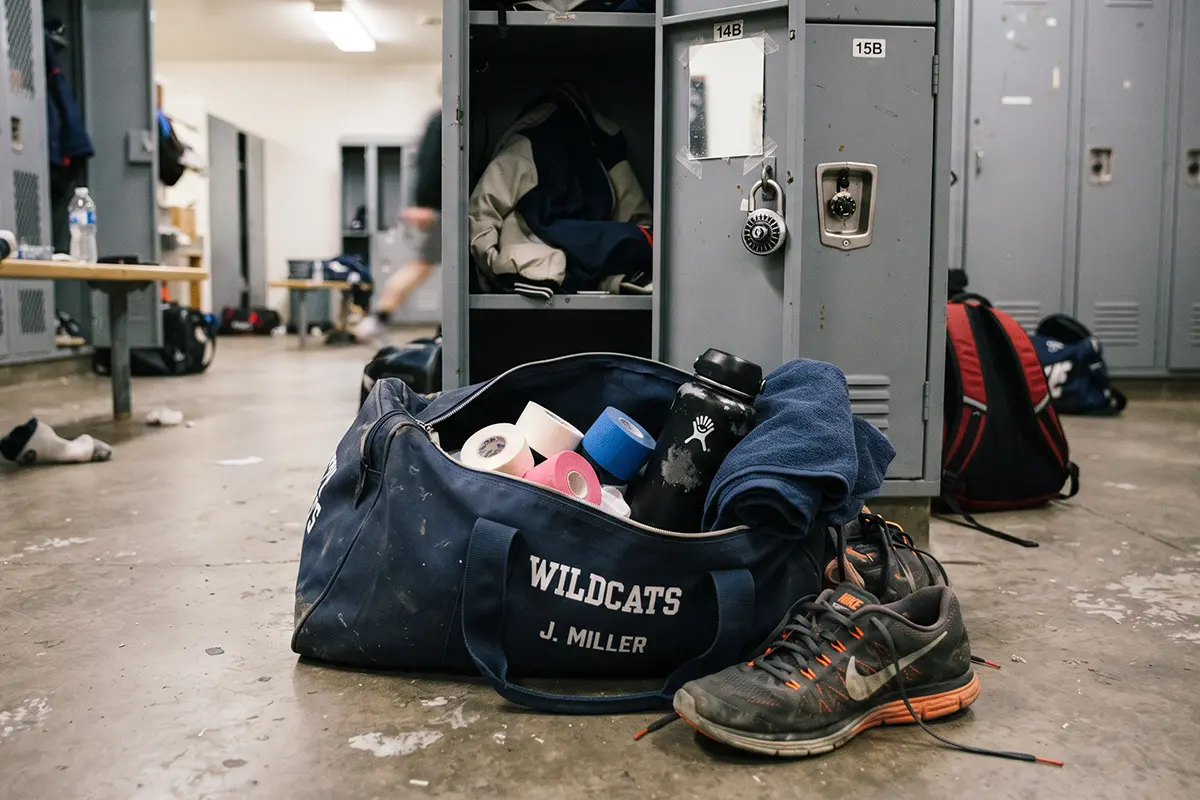
When your child joins a school team, their gym bag quickly becomes more than a place for cleats, water, and a uniform. It becomes part of their preparation routine—especially during long practice weeks, tournaments, away games, and multi-sport seasons.
A thoughtfully packed bag can help a student athlete handle small, everyday needs such as securing a shin guard, protecting a friction-prone area, or bringing approved supplies to the athletic training room. But there is an important distinction: a gym bag should support preparation, not turn parents or athletes into their own medical team.
The most useful athletic tape and wraps are the ones your athlete understands how to use safely and appropriately. They should never become a reason to play through significant pain, ignore swelling, or delay a visit with a school athletic trainer, physician, or other qualified healthcare professional.
For parents, the goal is simple: pack practical basics, teach your athlete when to ask for help, and make sure the athletic trainer is part of the plan when an injury occurs. Athletic trainers are healthcare professionals whose work includes injury prevention, examination, treatment, rehabilitation, emergency care, and athlete education. In the secondary-school setting, they also help guide injury prevention, return-to-play decisions, communication with parents, and appropriate referrals.
This guide explains what to keep in an athlete’s gym bag, how to think about athletic tape and wraps, and which situations should move beyond a bag-based solution.
Athletic tape and wraps can be valuable sports supplies, but they are not one-size-fits-all injury solutions. Different products do different jobs:
What a wrap or tape cannot do is diagnose an injury. It cannot rule out a fracture, concussion, significant ligament injury, tendon injury, infection, or other condition that needs medical attention.
That distinction matters because young athletes may minimize pain to avoid missing a game, a starting role, or a spot on the roster. Parents can help by setting a simple expectation early: pain is information. If an athlete is limping, cannot use a body part normally, has notable swelling, or reports pain that continues or worsens, the next step is not “add more tape.” The next step is to speak with the athletic trainer or a healthcare professional.
Overuse injuries can be easy to miss because they often develop gradually rather than after one obvious incident. The American Academy of Pediatrics (AAP) notes that early signs may include pain after activity, then pain during activity, and eventually pain that limits participation or occurs even at rest. A gym bag can hold helpful supplies, but it should also include the habit of reporting symptoms early.
Below is a practical list of supplies that can make sense for a student athlete’s bag. Specific team rules, school policies, sport requirements, allergies, and guidance from the school athletic trainer should always come first.
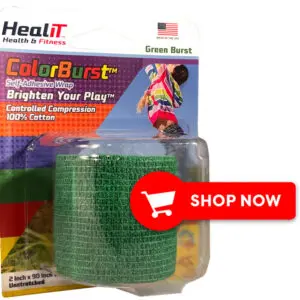
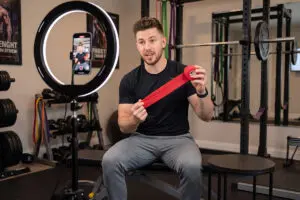
A self-sticking compression wrap is one of the most practical items a parent can keep in a student athlete’s gym bag. Unlike a traditional elastic bandage, this type of compression wrap is designed to stick to itself—not to the athlete’s skin. There is no need for clips, pins, adhesive strips, or Velcro closures.
That makes self-sticking compression wraps a convenient option for busy sports families. They can be used to provide adjustable compression, help keep a cold pack in place, or provide light support around a sore area when appropriate. Because the wrap adheres to itself, it can stay in place during the transition from practice or a game to the athletic training room, the car ride home, or a follow-up appointment.
For student athletes, a self-sticking wrap can be particularly helpful because it is easy to handle, quick to apply, and simple to remove. It also avoids the direct skin adhesion associated with many athletic tapes, which may be useful for athletes with sensitive skin or athletes who do not want to deal with sticky residue.
However, a compression wrap should feel supportive—not painful. If an athlete notices numbness, tingling, discoloration, coldness, increased pain, or swelling above or below the wrapped area, the wrap may be too tight and should be loosened or removed.
Best gym-bag use: Keep one or two self-sticking compression wraps in a first-aid pouch for trainer-approved compression, securing a cold pack, or light support after a minor injury.
Traditional elastic compression bandages—often recognized as ACE-style wraps—are another familiar first-aid staple for families with active student athletes. These wraps are stretchy and reusable, and they are commonly used for light compression and support around a sore or swollen area.
The main difference between a traditional elastic bandage and a self-sticking compression wrap is the closure system. An elastic compression bandage does not necessarily hold itself in place. Depending on the product, it may require clips, a hook-and-loop closure, tape, or another fastener to stay secure.
This makes traditional elastic bandages useful to keep at home or in a larger first-aid kit, especially when a healthcare provider, athletic trainer, or sports medicine professional has recommended their use. They can be a practical part of an athlete’s recovery supplies, but they may be less convenient for a gym bag because small clips and closures can get lost, and the wrap may shift during travel.
As with any compression product, it should never be applied so tightly that it causes numbness, tingling, skin color changes, coldness, or worsening pain.
Best gym-bag use: A traditional elastic bandage may be helpful for athletes who already have a trainer- or clinician-approved care plan, but a self-sticking compression wrap is often the more convenient grab-and-go option for a sports bag.
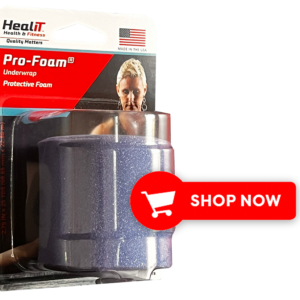
Pre-wrap is a lightweight foam material often used beneath athletic tape. It can help create a barrier between skin and adhesive tape, especially for athletes who are prone to irritation, have sensitive skin, or need taping as part of a plan established by the athletic trainer.
Pre-wrap may also be useful for keeping hair away from the face during a game or practice, but parents should not assume that makes it a substitute for medical support. It is not designed to stabilize a joint on its own.
Because athletic trainers may have preferred brands, protocols, and taping methods, check with the school before stocking large quantities. Some programs provide all necessary pre-wrap and tape; others may welcome athletes bringing personal supplies for hygiene or convenience.
Best gym-bag use: A small roll can be helpful for athletes with known skin sensitivity or trainer-approved taping needs.
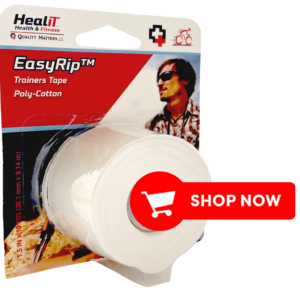
Rigid athletic tape is the familiar white tape many parents see around ankles, wrists, fingers, thumbs, or other joints on game day. Its limited stretch is what makes it different from elastic wraps and kinesiology tape. It can provide firmer mechanical support or help limit specific motion when applied correctly.
But rigid athletic tape is also the item that most clearly benefits from professional application. Taping an ankle, thumb, wrist, or other joint involves more than wrapping tape around an area until it feels tight. Placement, tension, circulation checks, sport demands, skin condition, prior injury history, and the athlete’s movement all matter.
A poorly taped joint can be uncomfortable, too restrictive, ineffective, or misleadingly reassuring. In other words, an athlete may believe they are protected enough to keep playing when they actually need evaluation.
For parents, it can still make sense to keep a roll of athletic tape in the bag, particularly if an athlete has a trainer-established taping routine or competes in a setting where personal supplies are expected. But frame it as a resource for the athletic trainer—not a replacement for the trainer’s assessment.
Best gym-bag use: Keep one roll for trainer-approved, sport-specific taping needs.
Kinesiology tape—often called K-tape—is the stretchy adhesive tape athletes may wear on shoulders, knees, calves, backs, or other areas. Its flexible design allows movement, and it may be incorporated into a treatment or support plan by an athletic trainer, physical therapist, or physician.
Because K-tape is visible and widely used by elite athletes, it can be tempting for students to treat it like a universal fix. Parents can help set realistic expectations: colorful tape does not automatically mean an athlete is ready to compete, and it does not replace rehabilitation, rest, strength work, medical evaluation, or a return-to-play plan.
Application technique matters. Where the tape is placed, how much it is stretched, the athlete’s skin condition, and the reason it is being used all affect whether it is appropriate. Adhesive reactions are also possible, so athletes with sensitive skin should test products or follow clinician guidance before wearing tape for extended periods.
Best gym-bag use: Include it only if the athlete has used it successfully before and has been taught an appropriate application by a qualified professional.
Not every sports problem is a sprain. Blisters, hot spots, chafing, minor abrasions, and friction from new cleats or repetitive movements can quickly distract an athlete and affect their performance.
A small skin-care kit can include:
These supplies are especially useful for runners, soccer players, lacrosse players, dancers, wrestlers, softball and baseball players, and athletes breaking in new footwear. However, deep cuts, wounds that will not stop bleeding, signs of infection, or skin conditions that could affect participation should be addressed by the athletic trainer or a healthcare professional.
Best gym-bag use: Store these in a clearly labeled pouch separate from sweaty gear.
An instant cold pack can be useful after a minor bump or for short-term comfort while an athlete gets to the athletic trainer. It is especially practical for away games or travel tournaments when immediate access to a training room may be limited.
Still, cold packs should not become a way to hide pain and return to play without evaluation. Avoid placing extreme cold directly against bare skin, and do not use a cold pack as a substitute for assessment after a meaningful injury.
A cold pack is a “bridge to evaluation,” not a clearance tool.
Best gym-bag use: One instant cold pack in a sealed compartment, used with a cloth barrier and adult or athletic trainer guidance.
Although this article centers on athletic tape and wraps, the most important gym-bag essentials are often the least glamorous. Hydration, appropriate fuel, clean dry clothing, and a consistent recovery routine can do more for a young athlete’s readiness than a bag full of tape.
Consider including:
The best injury-prevention strategy is broader than supplies. It includes adequate sleep, progressive training, good communication, hydration, nutrition, proper equipment, and willingness to rest when the body signals a problem. The AAP advises that children should generally not be required to play or train more than five to six days per week.
There is a clear difference between being prepared and trying to manage injuries independently. Parents should encourage athletes to bring personal supplies if needed, but to let the school athletic trainer decide what is appropriate for an injury.
The athletic trainer should be involved when an athlete has:
Athletic trainers do far more than tape ankles. Their scope includes prevention, emergency care, examination, clinical diagnosis, therapeutic intervention, rehabilitation, and education. In high school sports, they can also help coordinate care among the athlete, parent, coach, physician, and school staff.
That relationship is particularly important when an athlete has an existing injury. The athletic trainer can determine whether athletic tape, wraps, a brace, rest, a referral, rehabilitation exercise, or a modified practice plan is the safest next step.
A well-packed gym bag works best when the student athlete understands the rules behind it. Parents can teach these five simple principles:
These principles help athletes develop self-awareness without asking them to make medical decisions beyond their experience.
Before the season begins, assemble a small zippered pouch with:
Before packing it, ask the school athletic trainer three questions:
Those answers help prevent duplicate purchases, ensure alignment with school policy, and establish a communication routine before the first injury occurs.
The best gym bag is not the one with the most supplies. It is the one that supports safer choices.
For parents, that means keeping useful athletic tape and wraps available without sending the message that every problem can be managed from the sidelines. For athletes, it means recognizing that reporting pain early is a sign of maturity—not weakness. And for schools, it means making the athletic trainer a visible, trusted part of the student athlete’s support system.
A roll of athletic tape may help secure a trainer-approved ankle taping job. A cohesive wrap may be useful for light compression or holding a cold pack in place. A blister pad may save a practice. But recovery, prevention, and safe participation come from a larger team effort: athlete, parent, coach, athletic trainer, and healthcare provider working together.
When in doubt, pack the basics, follow the athletic trainer’s guidance, and make health the first priority.